How Activity-Based Learning Boosts Brain Development in Early Childhood
A research-backed, parent-friendly guide to why learning by doing matters most in the early years.
The early years (ages 2–6) are a critical period for brain development. During this stage, children’s brains form millions of new neural connections every second. Research consistently shows that young children do not learn best through memorisation or passive instruction—they learn best through hands-on, meaningful experiences.
This is why activity-based learning plays such a powerful role in early childhood education.
What Is Activity-Based Learning?
Activity-based learning is an approach where children understand concepts through direct engagement rather than passive listening or repetitive worksheets.
- Hands-on activities
- Movement and play
- Exploration and experimentation
- Real-life experiences
For example, counting blocks instead of writing numbers repeatedly or learning letter sounds through picture matching helps children truly understand concepts.
The Brain Science Behind Activity-Based Learning
Neuroscience research highlights that:
- Neural connections strengthen through repeated experiences
- Multi-sensory learning enhances memory retention
- Movement and emotion improve attention and recall
When children see, touch, move, and think simultaneously, the brain forms stronger and longer-lasting neural pathways. This is why activity-based learning supports deeper understanding and long-term retention.
The Role of Sensory Play in Brain Development
Sensory play stimulates a child’s senses and helps the brain integrate information efficiently.
- Builds neural integration
- Improves attention span and focus
- Strengthens fine-motor control
- Supports emotional regulation
Activities such as tracing with fingers, sorting objects, tearing paper, colouring, and moulding clay are essential forms of sensory learning—not optional extras.
Montessori Elements in Activity-Based Learning
Many activity-based learning approaches incorporate key Montessori principles, including:
- Concrete, hands-on materials
- Self-paced exploration
- Repetition without pressure
- Independence and choice
- Real-life, meaningful tasks
Activities like pouring, sorting, matching, tracing, and sequencing help develop concentration, executive function, and logical thinking.
Real-World Experiences: Learning That Makes Sense
Young children understand concepts better when learning connects to their everyday life.
- Counting fruits while shopping
- Identifying shapes in household objects
- Learning vocabulary during daily routines
- Sorting clothes or toys by size or colour
Real-world learning helps children understand the purpose behind what they learn.
Sample Activity-Based Learning from Edsmart Books
Edsmart Toddler Books (2–3 Years)
Focus: Sensory exploration and motor development
- Free scribbling and colouring
- Big-picture pointing and naming
- Finger tracing of simple lines
- Matching everyday objects
Brain benefits: Sensory integration, curiosity, early language pathways.
Edsmart Nursery Books (3–4 Years)
Focus: Readiness and concept exploration
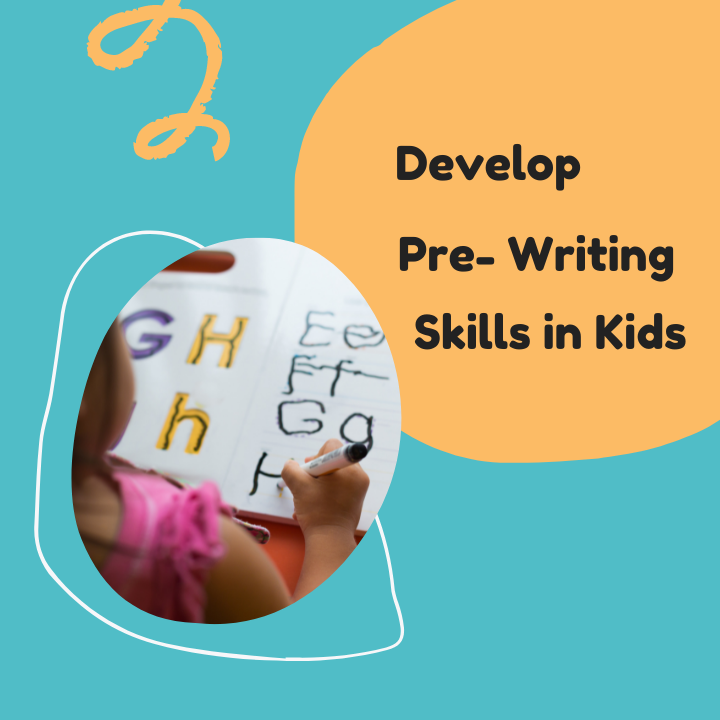
- Pre-writing strokes (lines, curves, zig-zags)
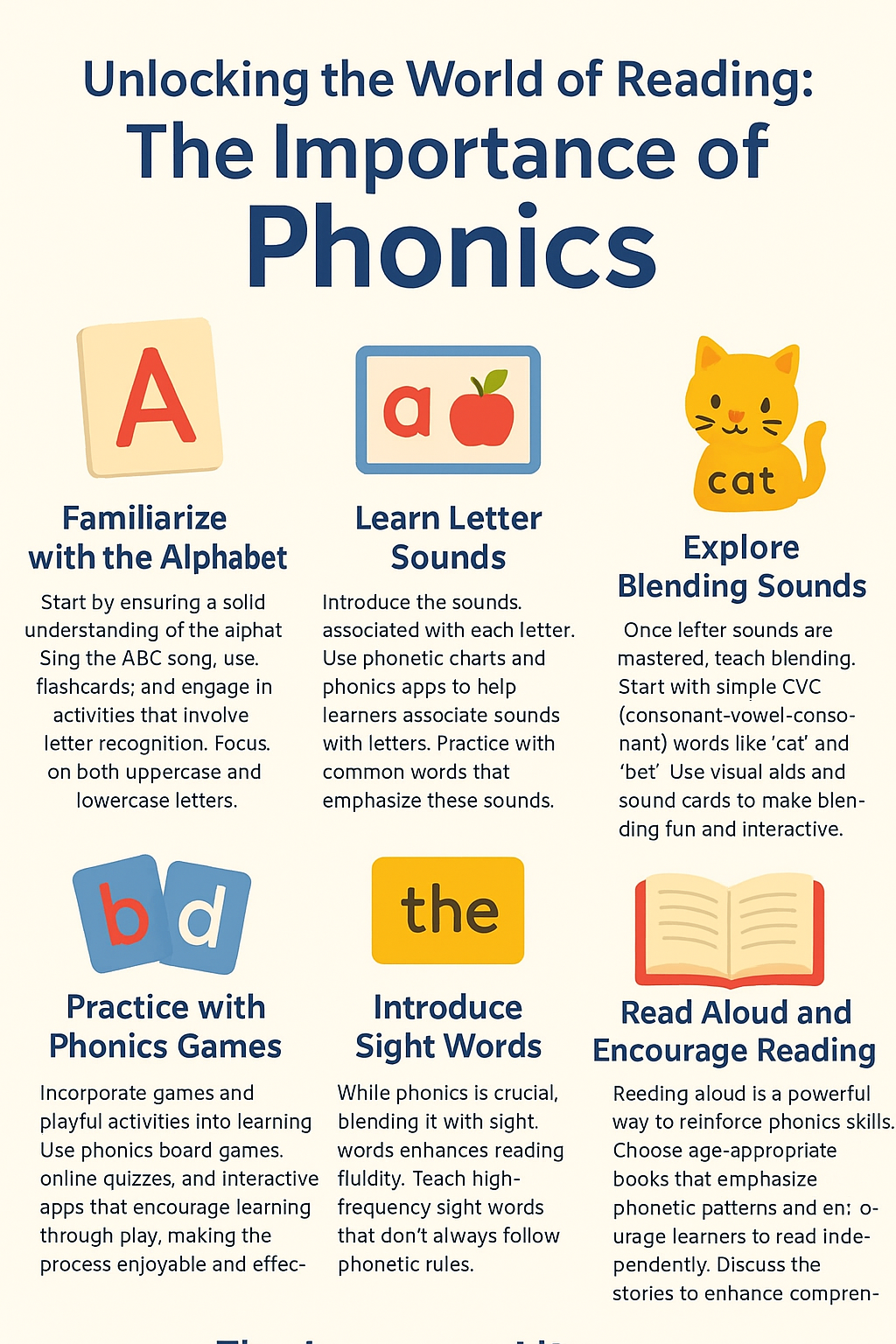
- Sound–picture matching for phonics
- Sorting and classification activities
- Guided colouring tasks
Brain benefits: Fine-motor control, auditory processing, early reasoning.
Edsmart KG Books (Jr KG & Sr KG | 4–6 Years)
Focus: Structured thinking with enjoyment
- Phonics blending using visuals
- Counting and early math through objects
- Pattern recognition and puzzles
- Guided handwriting with spacing support
Brain benefits: Executive function, memory, problem-solving, school readiness.
Why Activity-Based Learning Builds Confident Learners
- Encourages curiosity and questioning
- Improves concept retention
- Builds problem-solving skills
- Develops confidence and independence
- Creates a positive attitude toward learning
Children don’t just learn content—they learn how to learn.
How Parents Can Support Activity-Based Learning at Home
- Choose books with activities, not only worksheets
- Allow exploration and manageable mess
- Encourage movement during learning
- Talk through activities with your child
- Focus on effort, not perfection
Short, joyful learning moments every day are far more effective than long study sessions.
The Edsmart Approach to Activity-Based Learning
Edsmart designs early learning materials grounded in child development research, sensory learning, Montessori-inspired principles, and age-appropriate progression.
Edsmart books transform learning into an interactive experience that supports brain development while keeping children engaged and confident.
Final Thoughts
Early childhood learning is not about racing ahead—it is about building strong brains, curious minds, and happy learners.
When learning feels like play, the brain grows best.
Blog related to this item
Know more about Edsmart Books
Created by Expert Teachers and Educators
Content of Edsmart Books are created by industry experts who are passionate about teaching

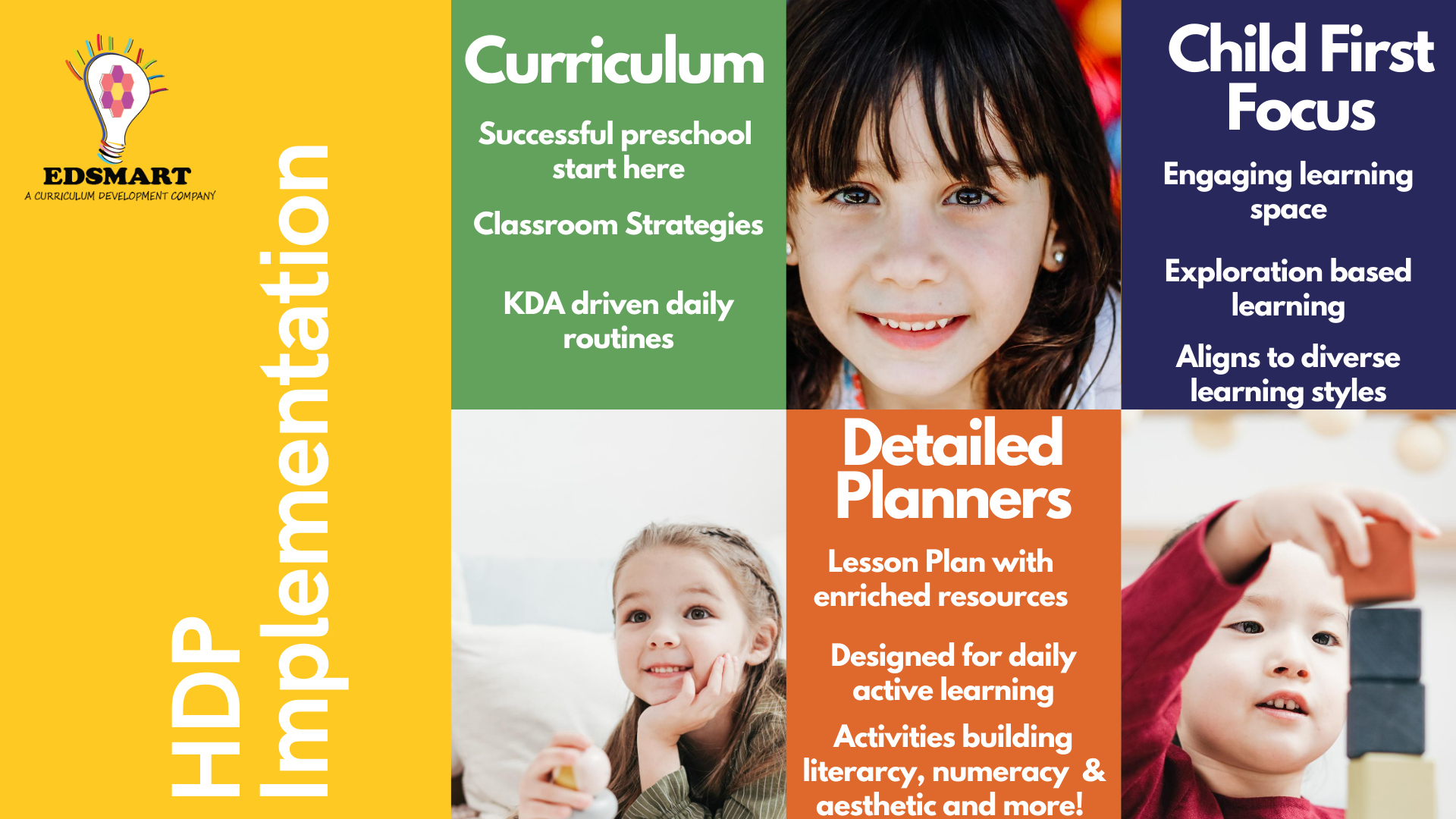
Child First Focus
Edsmart products are always designed having child as the focus and their holistic development
Age Appropriate
Edsmart products aligns to International Key developmental Areas, which are proven for age appropriate and parents can be rest assured about the learning journey of your child.
Parents who viewed this item also viewed
Subscribe to Our Newsletter
Get exclusive discounts and latest news delivered to your inbox for free!


.png)