What Should a Good Preschool Curriculum Include?


A comprehensive guide for preschool owners, founders, and academic heads

Designing a high-quality preschool curriculum is one of the most critical responsibilities of a preschool owner. A well-structured curriculum shapes children’s early learning experiences while also defining a preschool’s educational philosophy, parent trust, and long-term reputation.

With the introduction of NEP 2020, preschool education in India has shifted toward play-based, experiential, and holistic learning. Preschool is no longer about early academics—it is about strong developmental foundations.


Why Curriculum Quality Matters in Preschool Education

  • Builds a strong foundation for lifelong learning
  • Supports cognitive, physical, emotional, and social development
  • Ensures smooth transition into formal schooling
  • Maintains consistency and quality across classrooms
  • Aligns the preschool with national education vision

Key Components of a Good Preschool Curriculum

1. Literacy Development (Language & Early Reading)

A strong preschool curriculum builds language exposure before reading pressure.

  • Listening and speaking skills
  • Vocabulary development
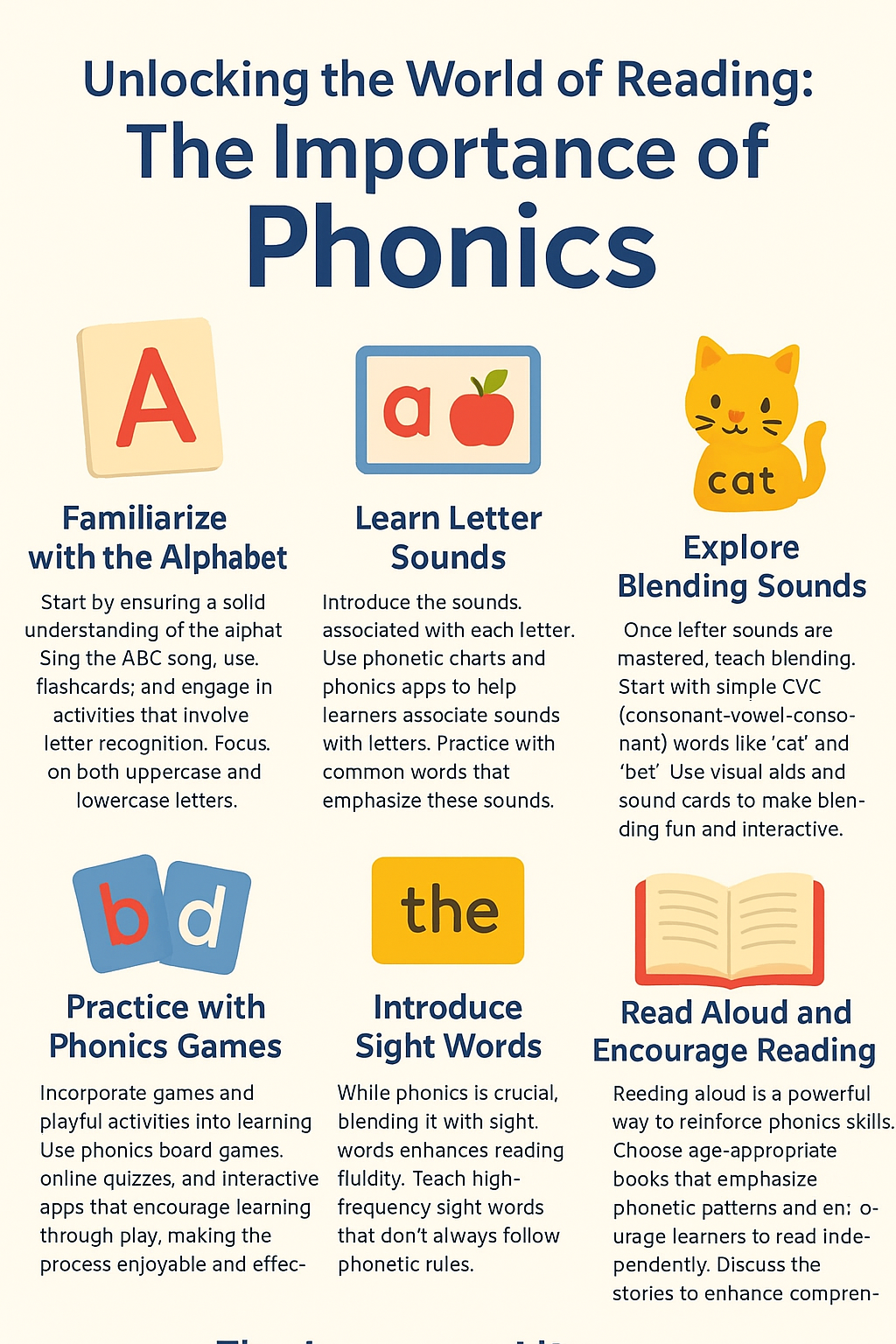
  • Phonics-based sound awareness
  • Storytelling, rhymes, and picture reading
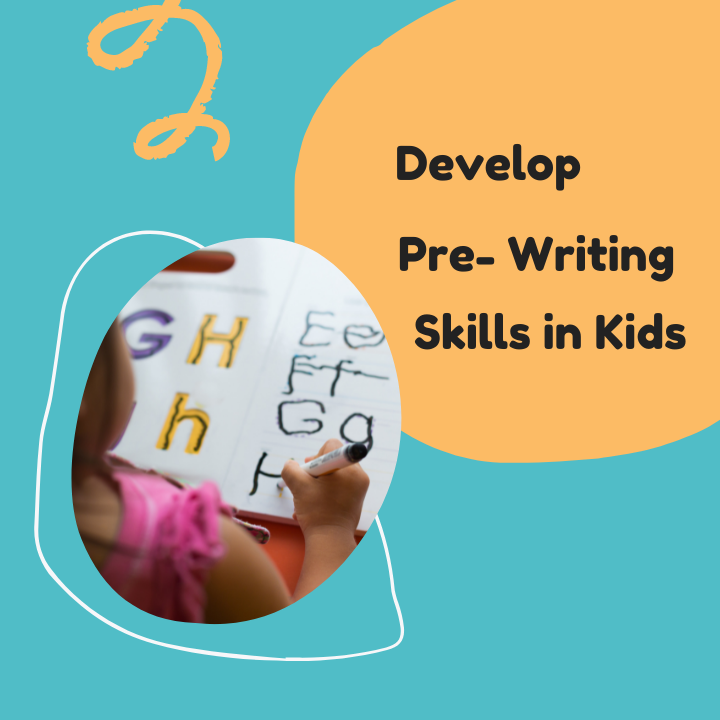
  • Pre-writing and handwriting readiness

NEP 2020 alignment: Emphasis on language-rich environments and early communication skills.

2. Numeracy & Early Math Concepts

Numeracy focuses on understanding numbers, not rote memorisation.

  • Counting using real objects
  • Comparing quantities (more/less)
  • Shapes, patterns, and spatial awareness
  • Measurement through daily activities

3. Environmental Studies (EVS)

EVS connects learning to the child’s immediate environment.

  • Self, family, and community
  • Plants, animals, and nature
  • Seasons, food, hygiene, and safety
  • Local culture and surroundings

NEP 2020 insight: Encourages contextual and experiential learning.

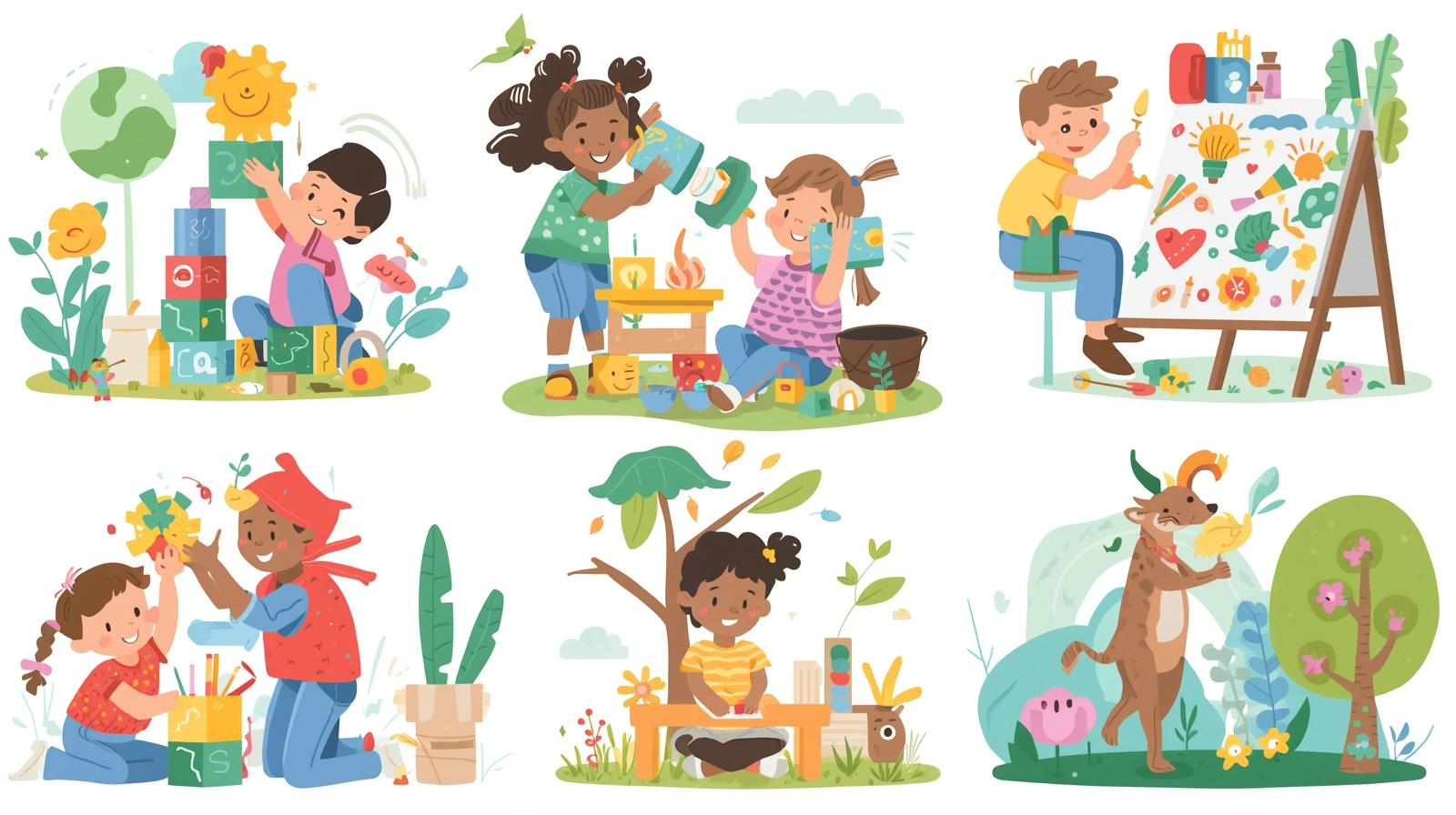
4. Art, Craft & Creative Expression

Art supports creativity, emotional expression, and fine-motor development.

  • Drawing and colouring
  • Cutting, pasting, and tearing
  • Craft with everyday materials
  • Open-ended creative exploration

5. Music, Movement & Physical Development

Music and movement strengthen brain-body coordination.

  • Rhymes and action songs
  • Dance and free movement
  • Yoga and balance activities
  • Gross motor games

NEP 2020 focus: Physical literacy and overall well-being.

6. Social-Emotional Learning (SEL)

SEL forms the backbone of school readiness.

  • Self-awareness and confidence
  • Emotional regulation
  • Sharing, empathy, and cooperation
  • Classroom routines and behaviour

7. Experiential & Play-Based Learning

Children learn best when they learn by doing.

  • Hands-on activities
  • Theme-based learning
  • Exploration corners
  • Real-life problem-solving

NEP 2020 alignment: Strong recommendation for play-based pedagogy for ages 3–8.

8. Assessment Framework (Without Pressure)

Preschool assessment should be developmental, not exam-oriented.

  • Continuous observation
  • Portfolio-based documentation
  • Milestone tracking
  • Qualitative progress reports

NEP 2020 guidance: No formal testing in early years.


What Preschool Owners Should Look for in a Curriculum

  • Age-appropriate progression from Playgroup to Sr KG
  • Clear learning outcomes without academic pressure
  • Teacher-friendly lesson plans and manuals
  • Balanced academic and non-academic development
  • NEP 2020 alignment
  • Parent communication and reporting tools

Edsmart as Your Preschool Curriculum Partner

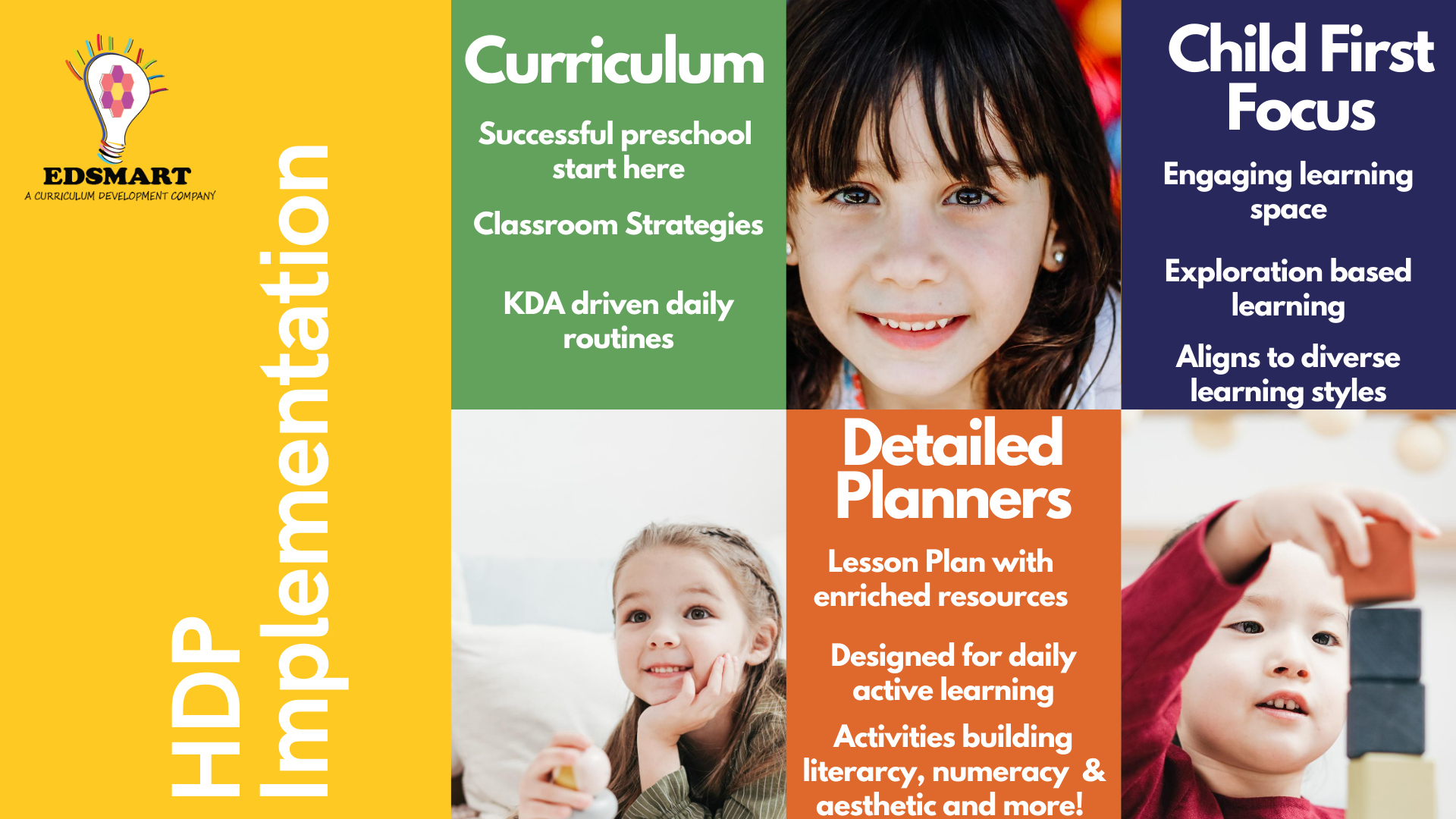
Edsmart partners with preschools to deliver structured, NEP 2020–aligned, child-centric curriculum solutions.

  • Complete curriculum framework (Playgroup to Sr KG)
  • Activity-based books and learning kits
  • Integrated literacy, numeracy, EVS, and SEL
  • Teacher manuals and implementation support
  • Observation-based assessment tools
  • Parent-friendly progress reporting

Edsmart goes beyond books—acting as a curriculum partner to help preschools build high-quality early learning ecosystems.


Final Thoughts

A good preschool curriculum is not about teaching early—it is about teaching right.

By integrating literacy, numeracy, creativity, SEL, experiential learning, and NEP 2020–aligned assessment, preschools can create environments where children thrive holistically.

Strong schools begin with strong early years.

Blog related to this item
Know more about Edsmart Books

Training Icon

Created by Expert Teachers and Educators

Content of Edsmart Books are created by industry experts who are passionate about teaching

Training Icon

Child First Focus

Edsmart products are always designed having child as the focus and their holistic development

Training Icon

Age Appropriate

Edsmart products aligns to International Key developmental Areas, which are proven for age appropriate and parents can be rest assured about the learning journey of your child.

Parents who viewed this item also viewed